
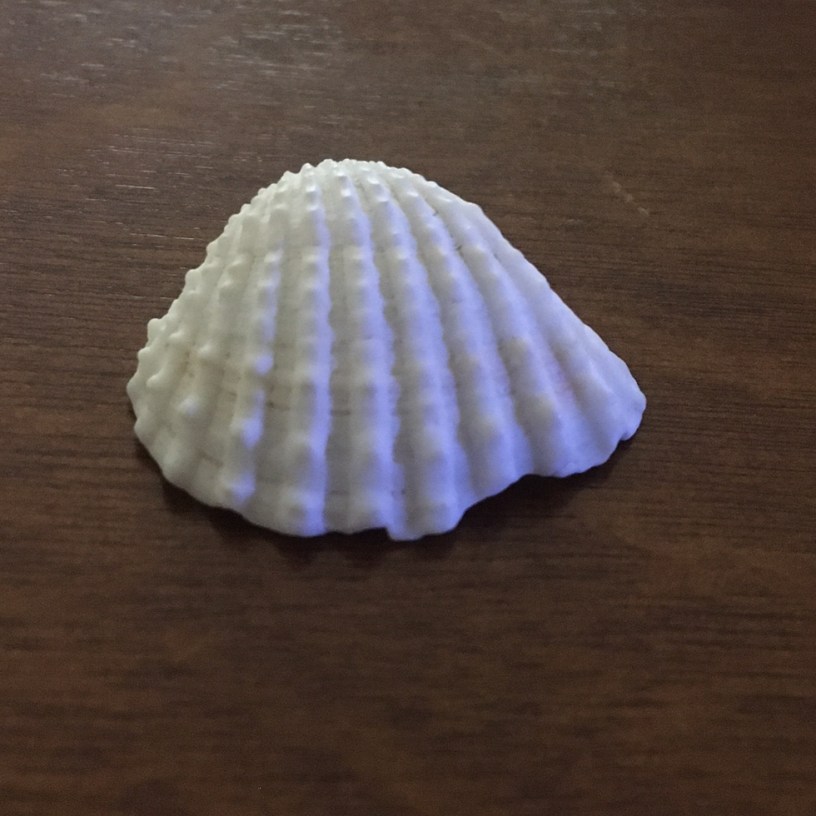
Are seashells good luck or bad luck? In Florida, seashells of all types have decorated people’s homes for as long as I can remember. But not my grandma’s home or even her beach condo. She may have been Italian, but she subscribed to the Cuban superstition that seashells are bad luck. We may have collected seashells by the seashore, but they would not be welcome across the threshold. Some of the reasons I could find for Cubans believing that seashells are bad luck include the ideas that you’re stealing a sea creature’s home — or worse — a sea creature was killed for someone to collect their home; seashells are dead and dead things shouldn’t be invited to bring bad luck — or worse — death into your home and seashells belong in the sea or on the seashore. It seems that every other culture thinks seashells are good luck. Feng Shui takes that same theory of a shell being a sea creature’s home and spins it as a positive addition to your home. It’s protective and, depending on where you place it, can bring good luck and prosperity. Seashells are signs of good communication, better long-distance relationships, love and fertility. So, are seashells good luck or bad luck? I was at a farmers’ market and a woman from Jamaica with beautiful hair was selling awesome smelling hair product that she made from flowers and herbs she grew in her garden. I bought a bottle, and she wrapped it in a cute bag. When I got home and took out the hair product, there was a sweet little seashell inside. She said to keep the bottle in the refrigerator, so I did. The first time I went to use the hair product, I dropped the bottle and it shattered and spilled all over the bathroom floor. Grandma!
Guidance, Loved Ones Lost, Symbols
Seashell in a shopping bag
 Seeing Signs
Love, love, love this ‘seeing signs’ post. Yep. That was your Grandma and to this day I always think of her when I even think of bringing sea shells into our house. When I see shells at a friend’s home-I think of Grandma!! How interesting to find out why she thought that. I bet she didn’t know why, just that it was bad luck. I would like to take Feng Shui’s positive take on sea shells.. I wonder if it will be possible. Not sure since I now know what happened to you!! Thanks, Grandma
I was not raised in a superstitious family, though I have developed a few of my own. Yep, your Grandma seemed to display a strong opinion about your shampoo purchase with the seashell, didn’t she? 😇During my years of beach living, I never brought any shells home. I felt they belonged where they were, were beautiful where they lay, and are creature’s homes. Superstitions aside, a conch fritter sounds tasty about now . . . Keep the shell. 😀
I can also remember going to the beach and picking up shells but couldn’t bring them in the house because of this superstition. I loved trying to find the sand dollars! Back in the days, some roads were covered with crushed shells and it would be very uncomfortable to walk on barefooted. So, maybe, the shells do belong in the sea. It’s not nice to fool with Mother Nature!
TOO FUNNY!
I love seashells and the joy they bring. Each one has a story!!