
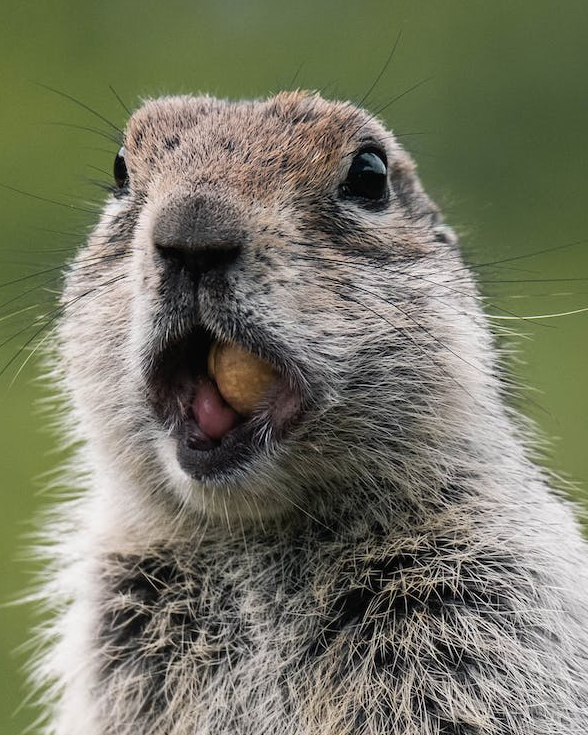
Before there were meteorologist, satellites and Doppler radar, people were anxious to predict the weather, especially when it came to springtime for farming and longer days, and used superstitions to look for signs. Ancient Pagans celebrated Imbolc by lighting candles on February 2 — halfway between the winter solstice and spring equinox — to indicate the coming change of season. In the Christian era, February 2 became the festival of Candlemas — 40 days after Christmas — celebrated to commemorate Baby Jesus being presented at the Temple, along with a religious service to bless the candles that would be used for the year. In Germany, Candlemas Day was linked to Badger Day, with a badger predicting whether winter would continue four more weeks, or if spring would come early. Pennsylvania Dutch brought their tradition to America but replaced the badger with a groundhog. On February 2, 1877, the first official Groundhog Day was celebrated in the United States at Gobbler’s Knob in Punxsutawney, Pennsylvania. If the weather is sunny when the groundhog, called Punxsutawney Phil, wakes from hibernation he will see his shadow and there will be six more weeks of winter. However, if the skies are gray, Phil won’t see his shadow and spring will come early. How reliable is Punxsutawney Phil? According to Stormfax Weather Almanac, he’s been accurate 39% of the time. There are other Groundhog Days in other places; however, none are as famous as the one in Punxsutawney, especially after the movie Groundhog Day. So, each February 2, folks gather around Gobbler’s Knob looking for signs from a groundhog that spring will arrive early, and then they check the weather forecast.
Seeing Signs in Groundhog Day
 Seeing Signs